Blown Fuse in Wyong
If a fuse keeps blowing at your Wyong home, Electrician Wyong finds the fault fast and explains it plainly. Same-day service and $0 call-out, backed by 300+ five-star reviews across Wyong.
Lic #451348C, Level 2 ASP
Fully licensed electricians and accredited Level 2 ASPs.
300+ Five-Star Reviews
Trusted across Wyong and the Central Coast.
$0 Call-Out & Free Quotes
No cost to have the fault diagnosed on site.
What a Blown Fuse Is Telling You
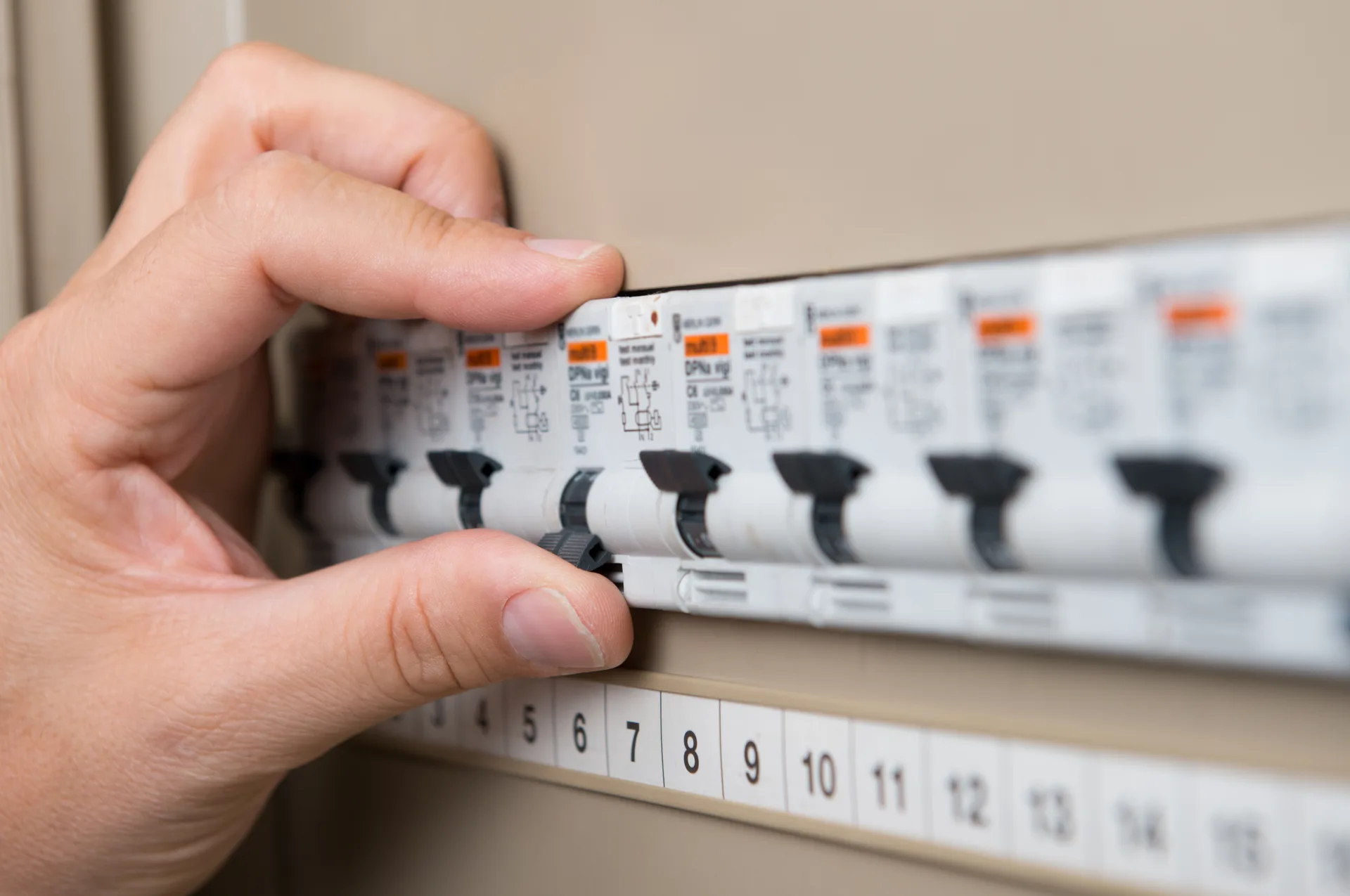
A blown fuse, or a circuit that keeps losing power on an older ceramic or wire fuse board, means a fault has drawn more current than the circuit can safely carry. Under AS/NZS 3000, it is worth diagnosing the cause properly rather than simply replacing the fuse, and you are in the right place to get that done.
Common Causes of a Blown Fuse in Wyong Homes
An overload on the circuit
The most common cause. Running a large oven, pool pump, or workshop tool alongside everyday appliances can push an older circuit past its limit.
A short circuit
A damaged cable or faulty connection can create a direct short, blowing the fuse the instant the circuit is switched on or used.
A faulty appliance
An appliance developing an internal fault will blow the fuse on its circuit the moment it draws power, even if nothing else has changed.
An ageing rewireable fuse board
Original ceramic-fuse boards common in Wyong's post-war fibro and weatherboard homes have no safety switches and blow more readily under modern load.
Renovation-exposed old wiring
Older cottages being renovated often reveal dated cloth wiring behind the walls, which can fault and blow fuses once disturbed or reconnected.
Moisture in an outdoor or garden circuit
Rain getting into an outdoor point, shed, or garden circuit is a common trigger for a fuse to blow, particularly during wet Central Coast weather.
Is a Blown Fuse Dangerous?
Usually a blown fuse is your safety device doing its job, but a fuse that blows repeatedly, or an old board with no safety switches, points to a fault that will only get worse.
- A fuse that blows once and stays reset is normally just doing its job
- A fuse that blows again straight away means there is an active fault
- An old ceramic-fuse board with no safety switches no longer meets AS/NZS 3000
- Warmth or a burning smell near the fuse box should be checked the same day
- A fuse that blows more often over time signals a fault that is getting worse
What To Do Right Now
Take these safe steps before calling for a proper diagnosis:
- Unplug the appliance that was running when the fuse blew.
- Do not keep replacing or resetting a fuse that blows again immediately.
- Note which circuit or room lost power when the fuse blew.
- Check whether any other appliances were running on the same circuit.
- Do not open the fuse board or touch any wiring yourself.
- Call a licensed electrician (Lic #451348C) if the fuse keeps blowing.
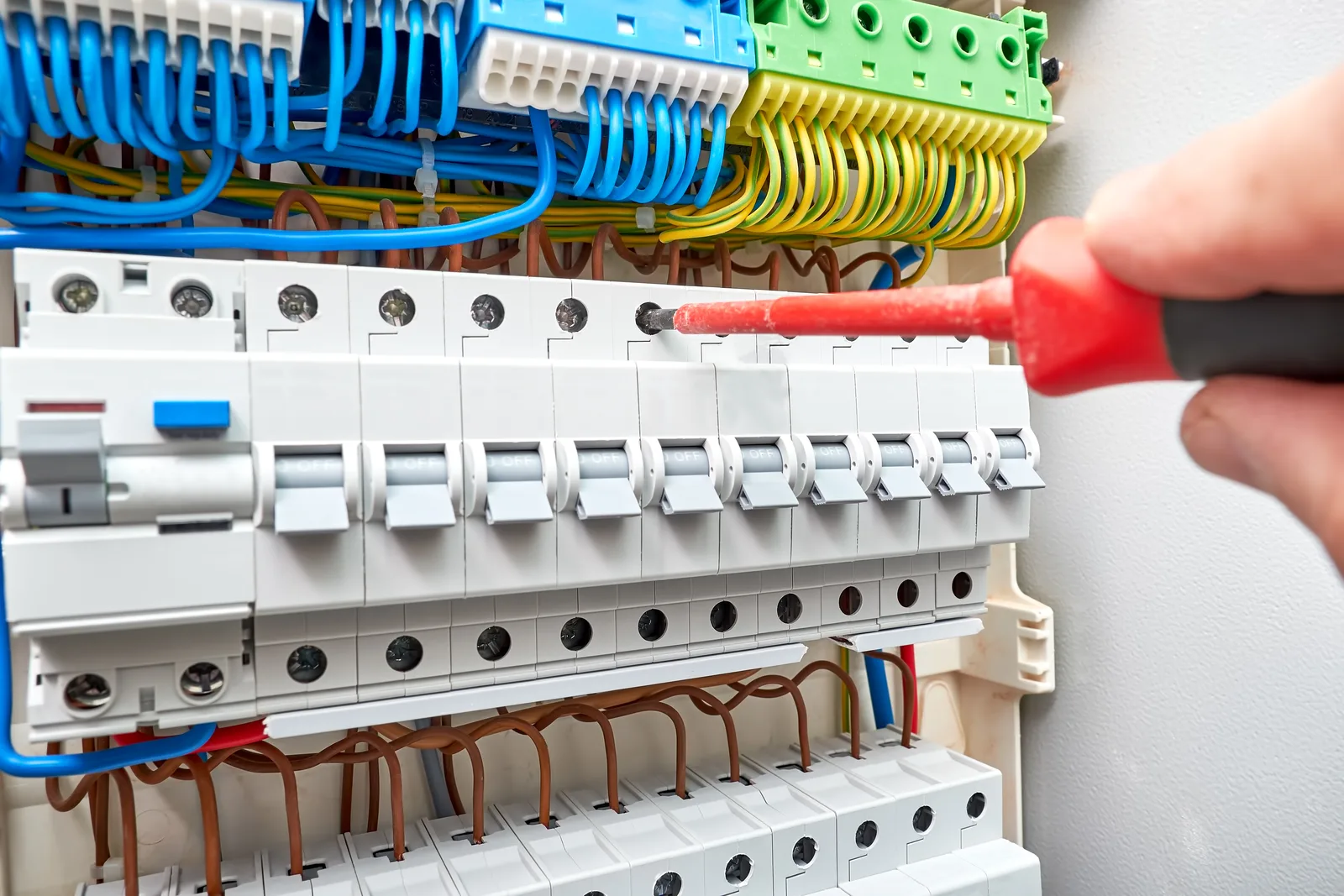
When To Call an Electrician for a Blown Fuse in Wyong
- The fuse blows again the moment it is replaced or reset
- More than one circuit is affected at the same time
- There is any warmth, buzzing, or burning smell near the fuse box
- Your switchboard still uses old ceramic or rewireable fuses
- The problem started after adding a large appliance or during a renovation
Any of these at your Wyong property is a job for a licensed electrician, not repeated fuse changes, since an old rewireable board rarely fixes itself. We offer same-day response with $0 call-out and free quotes for switchboard upgrades and electrical repairs.
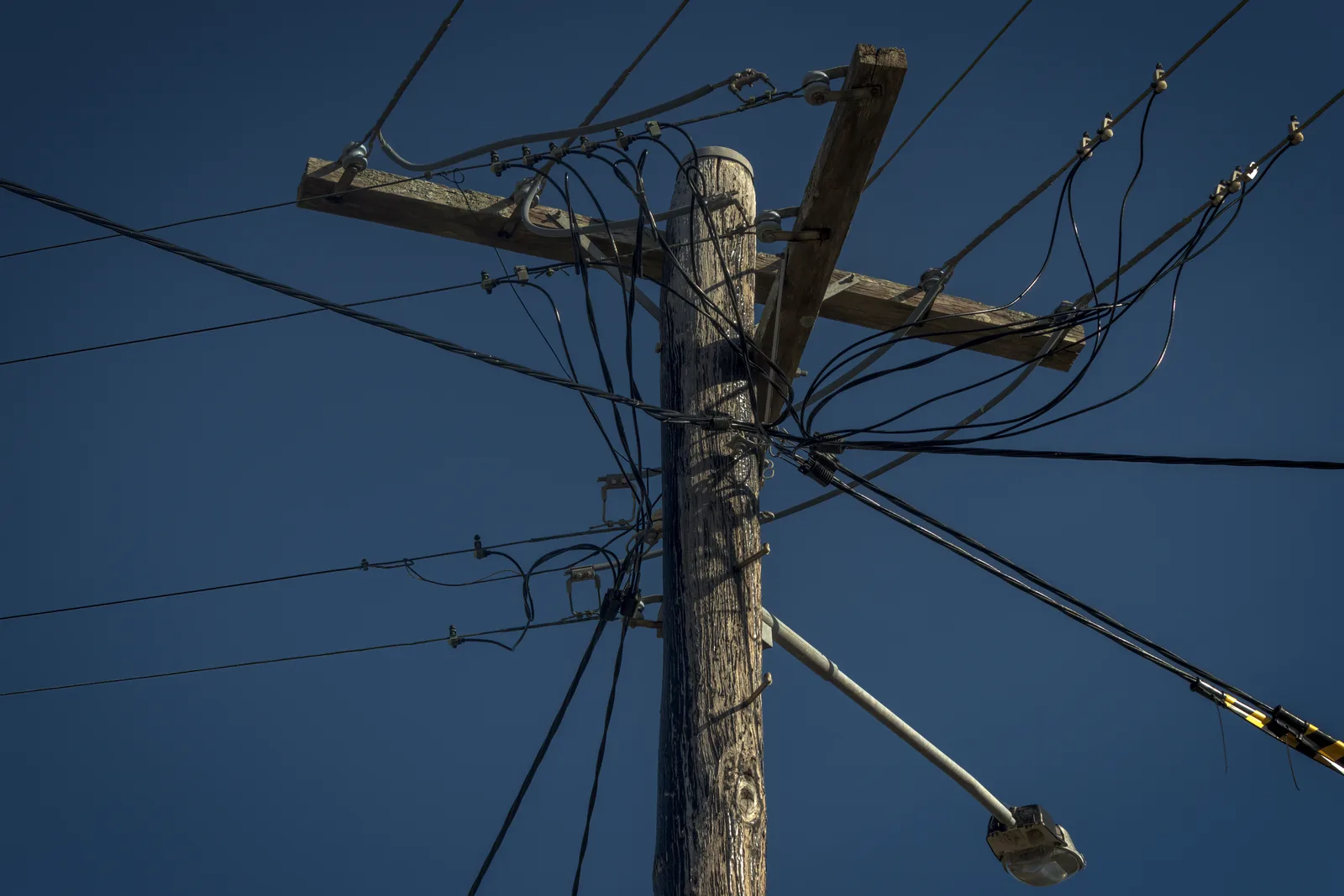
How it works
How We Fix a Blown Fuse in Wyong
Fault Finding
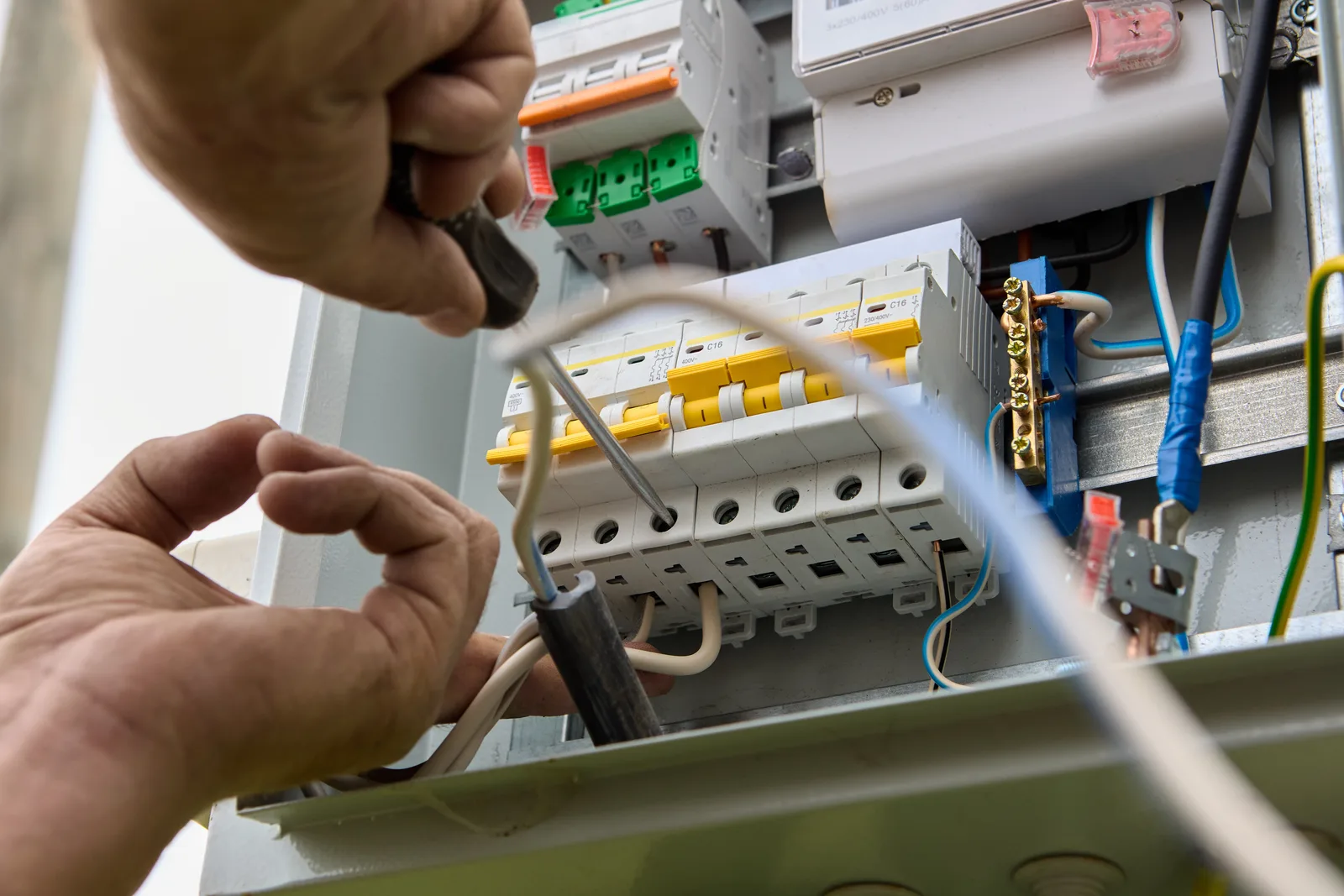
We test the affected circuit methodically to isolate whether the fault is an overload, a short, or a failing appliance.
Upfront Quote
Once we know the cause, you get a fixed, transparent price before any repair or switchboard upgrade begins.
The Repair or Upgrade
We fix the immediate fault, and where the board is an old rewireable fuse type, we recommend upgrading to a modern switchboard with safety switches.
Testing & Safety Check
Every repaired circuit is tested against AS/NZS 3000 before we finish, confirming the fault is properly resolved.
Why This Is Common in Older Wyong Homes
Original rewireable fuse boards in Wyong's post-war cottages near Rose Street and Ithome Street were never built for modern loads, a pattern also common in nearby Wadalba and other established Central Coast pockets closer to the town centre.
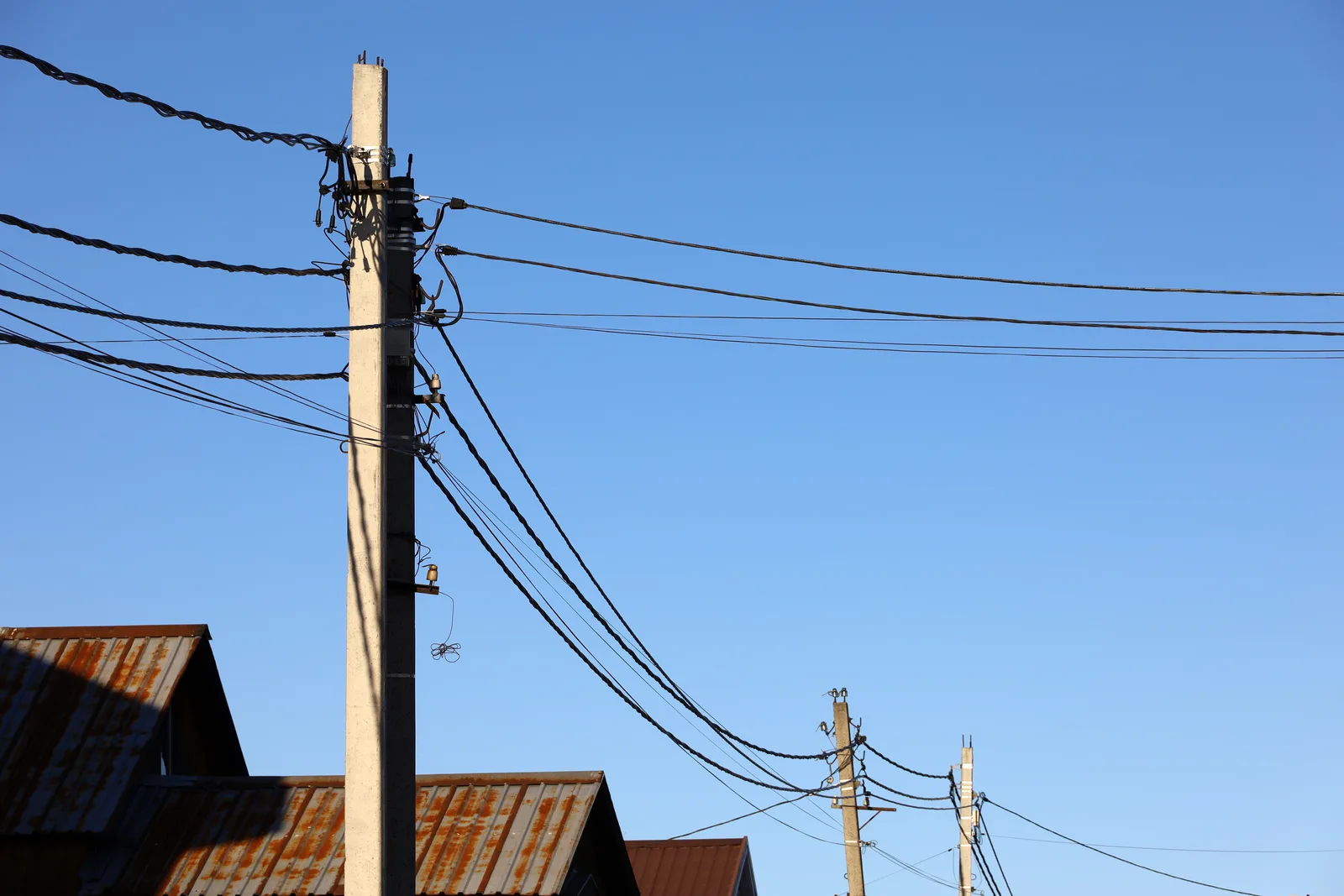
Blown Fuses and Related Electrical Faults Across Wyong
A blown fuse often shows up alongside a tripped circuit breaker or overloaded power points. We fix all three across Wyong, Tuggerah, Warnervale, and the wider region.
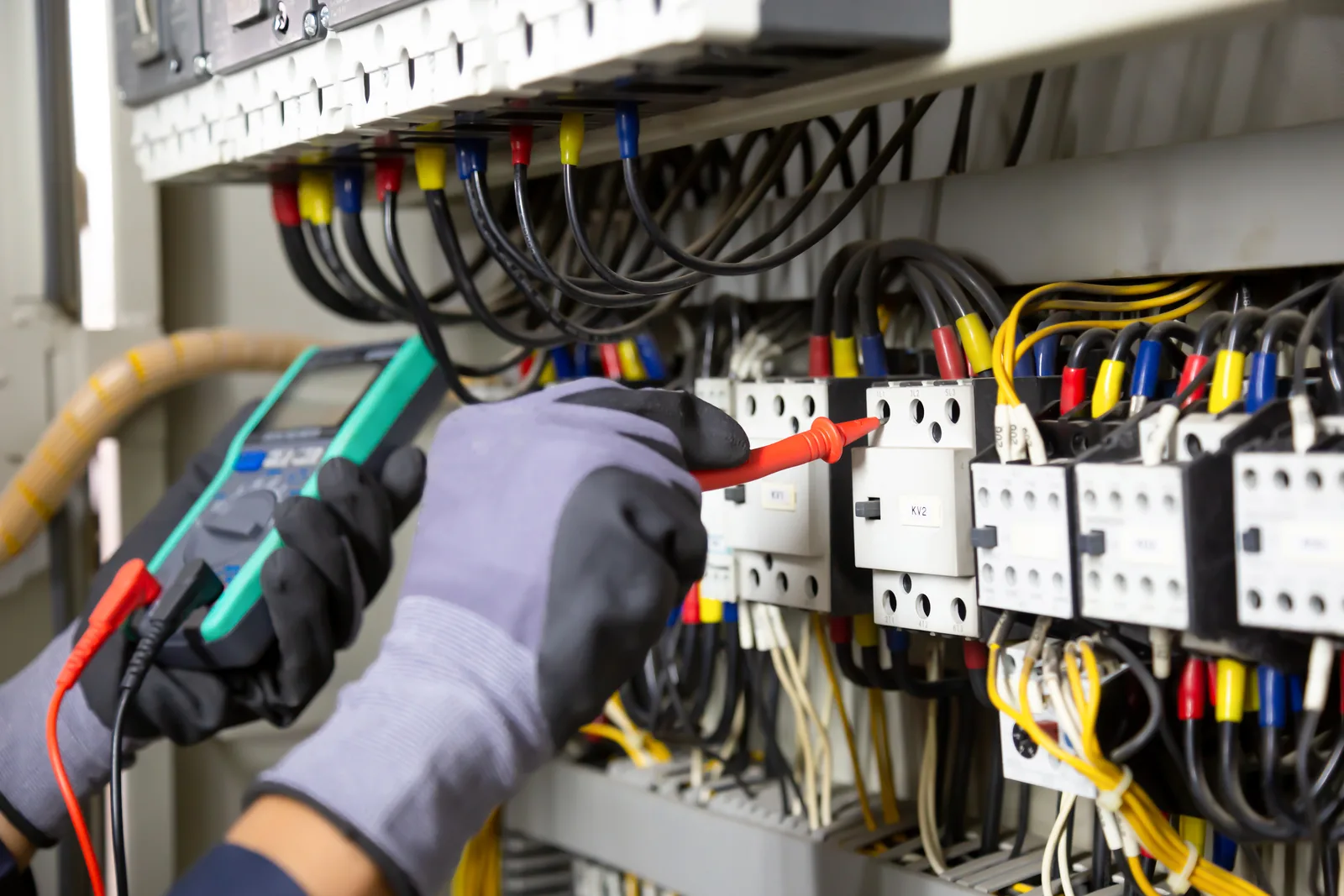
Fuse Keeps Blowing in Wyong? Book an Electrician Today
Call (02) 4072 9996 for same-day service with $0 call-out and free quotes. Backed by 300+ five-star reviews, fixed upfront pricing and a lifetime labour warranty, we'll find the fault, and if it sparks, shorts, flickers or fails, we can fix it.
Common questions
Blown Fuse FAQs
The most common questions Wyong homeowners ask us about a blown fuse and older fuse boards.
Is a blown fuse dangerous?
A single blown fuse is usually just a safety device doing its job, but a fuse that blows repeatedly or an old board with no safety switches is a genuine risk.
What causes a fuse to blow?
An overload, a short circuit, a faulty appliance, or an ageing rewireable fuse board that no longer copes with modern household load.
What should I do if a fuse blows?
Unplug the appliance that was running, avoid repeatedly replacing the fuse yourself, and call a licensed electrician if it keeps happening.
Do I need an electrician for a blown fuse, or can I replace it myself?
A one-off blown fuse can sometimes be reset safely, but repeated blowing means there is an underlying fault that only a licensed electrician should investigate.
How much does it cost to fix a blown fuse?
It depends on the cause, so we diagnose on site and give a fixed upfront quote, with $0 call-out and a free quote included.
Are old rewireable fuse boards common in older Wyong homes?
Yes. Many of Wyong's post-war fibro and weatherboard cottages still run original ceramic-fuse boards without modern safety switches fitted.